

Riva Guide
Choose the right sole for every surface
Choosing football boots is not just about style, brand, or comfort — the sole type can completely change your performance on the pitch. Different playing surfaces require different stud patterns, traction levels, and sole structures. Wearing the wrong sole can reduce grip, affect movement, and even shorten the lifespan of your boots.
Sole matcher
Where do you play?
Recommended sole
FG
Firm ground studs give the best balance of grip, speed and stability on dry pitches.
Shop cleats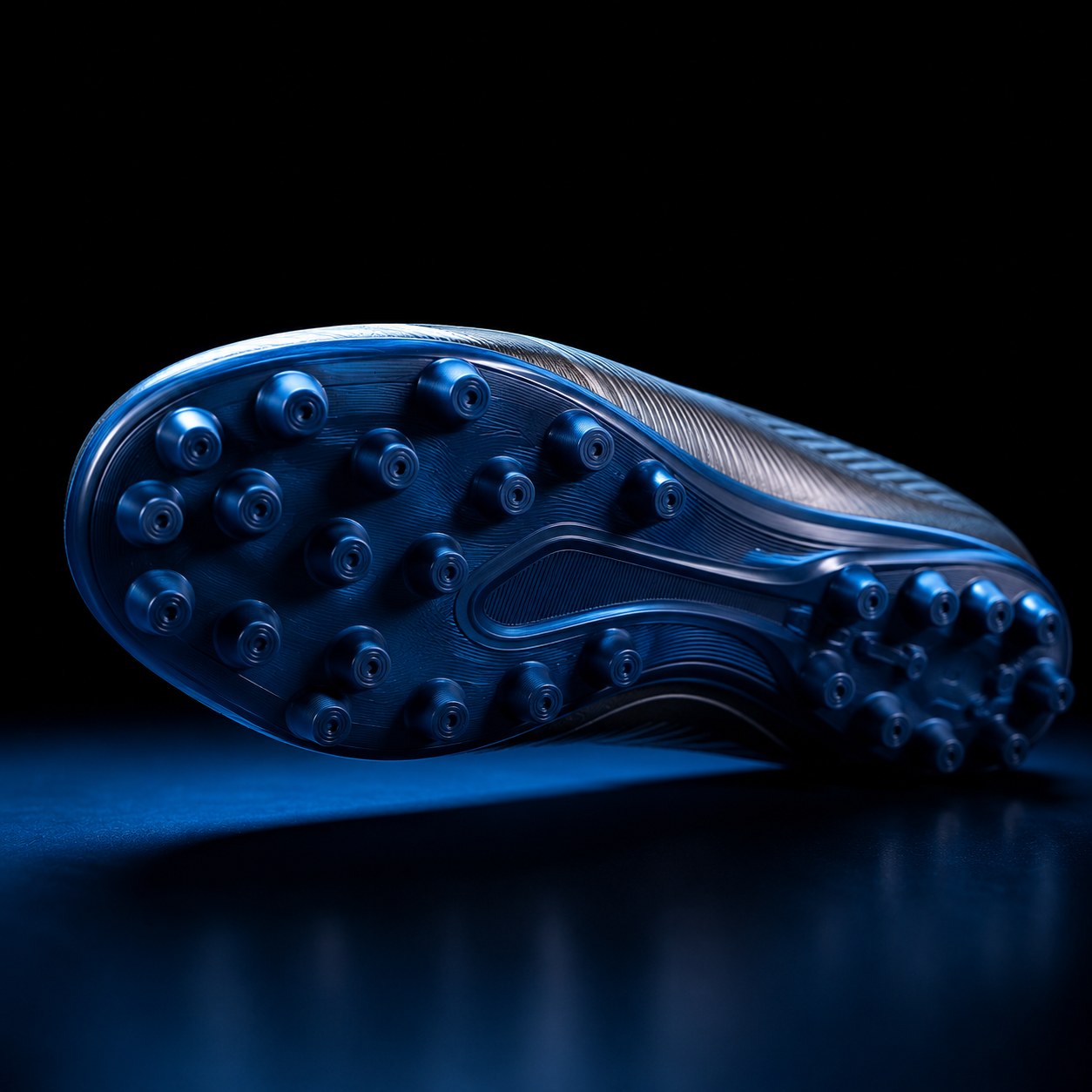
Artificial Ground / Multi-Ground
AG & MG Soles
Boots labeled AG or MG are made for artificial pitches and firmer natural surfaces.
These soleplates usually feature shorter, more rounded, and evenly distributed studs, which help reduce pressure underfoot while improving comfort and grip on firmer playing surfaces.
They're a smart option for players who often train or play on synthetic grass, as they offer a safer and more balanced feel than aggressive natural-grass studs.
If you regularly play on artificial turf or firm, dry fields, this sole type is one of the most practical choices.
- Stud shape
- Short, rounded
- Stud count
- High, evenly spread
- Material
- Moulded TPU
- Best surface
- Artificial / firm surfaces
Firm Ground
FG Soles
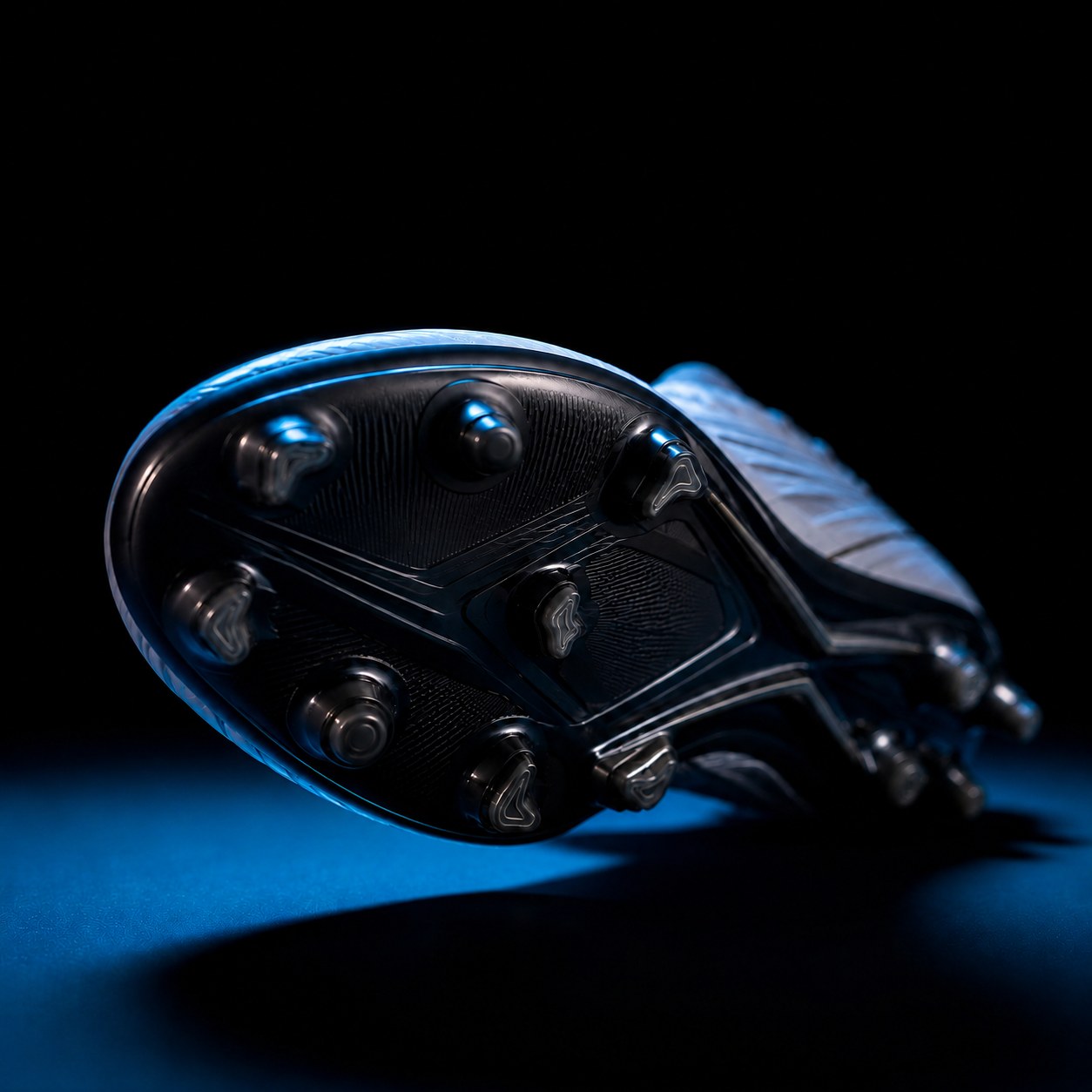
If a pair of boots includes FG in the name, it stands for Firm Ground.
This is the most common football boot sole and is designed for dry, firm natural grass. FG soles generally come with a larger number of shorter studs, which provide a good balance of grip, speed, and stability.
There are several FG stud patterns on the market, including conical, bladed, triangular, and hybrid shapes, depending on the model and brand.
Because of their versatility and comfort, FG boots are widely used by players who rely on agility, acceleration, and sharp directional changes — especially attacking players and wide players.
- Stud shape
- Conical, bladed, hybrid
- Stud count
- Many, shorter studs
- Material
- Moulded TPU
- Best surface
- Dry, firm natural grass
Soft Ground
SG Soles
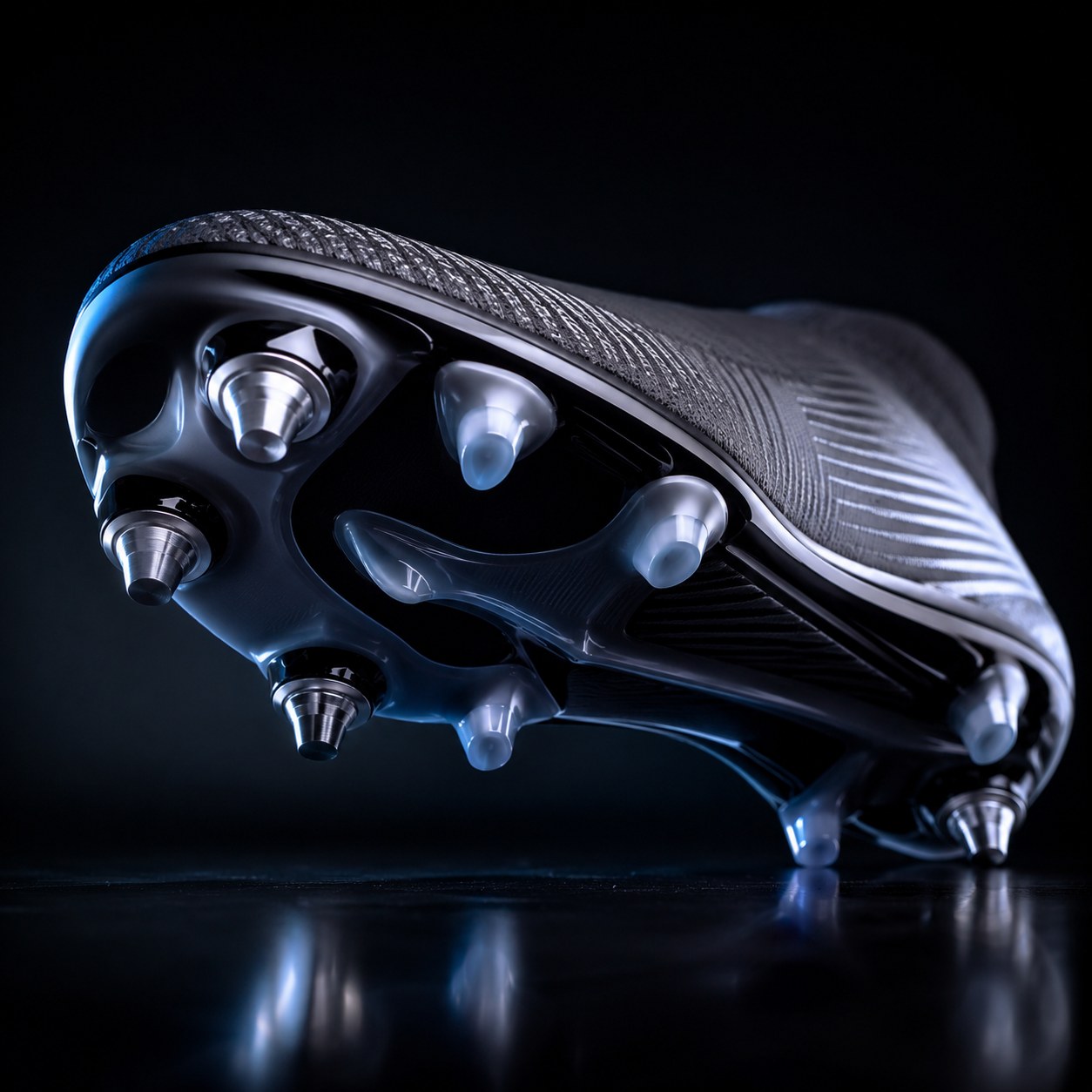
SG means Soft Ground, a sole type built for wet, muddy, or softer natural grass pitches.
Compared to FG, SG boots usually have fewer studs, but they are longer and more aggressive, allowing them to dig deeper into the ground for stronger traction. In many cases, the studs are made from metal, aluminum, or durable synthetic materials.
This type of sole is especially useful when the pitch becomes slippery and unstable. It is often preferred by players who need solid footing for powerful movement, physical duels, and sudden stops.
Some SG models use mixed stud configurations, combining different materials or stud shapes for even better performance in difficult ground conditions.
- Stud shape
- Long, aggressive
- Stud count
- Fewer, deeper studs
- Material
- Metal / aluminium / mixed
- Best surface
- Wet, muddy natural grass
Turf / Society
TF Soles
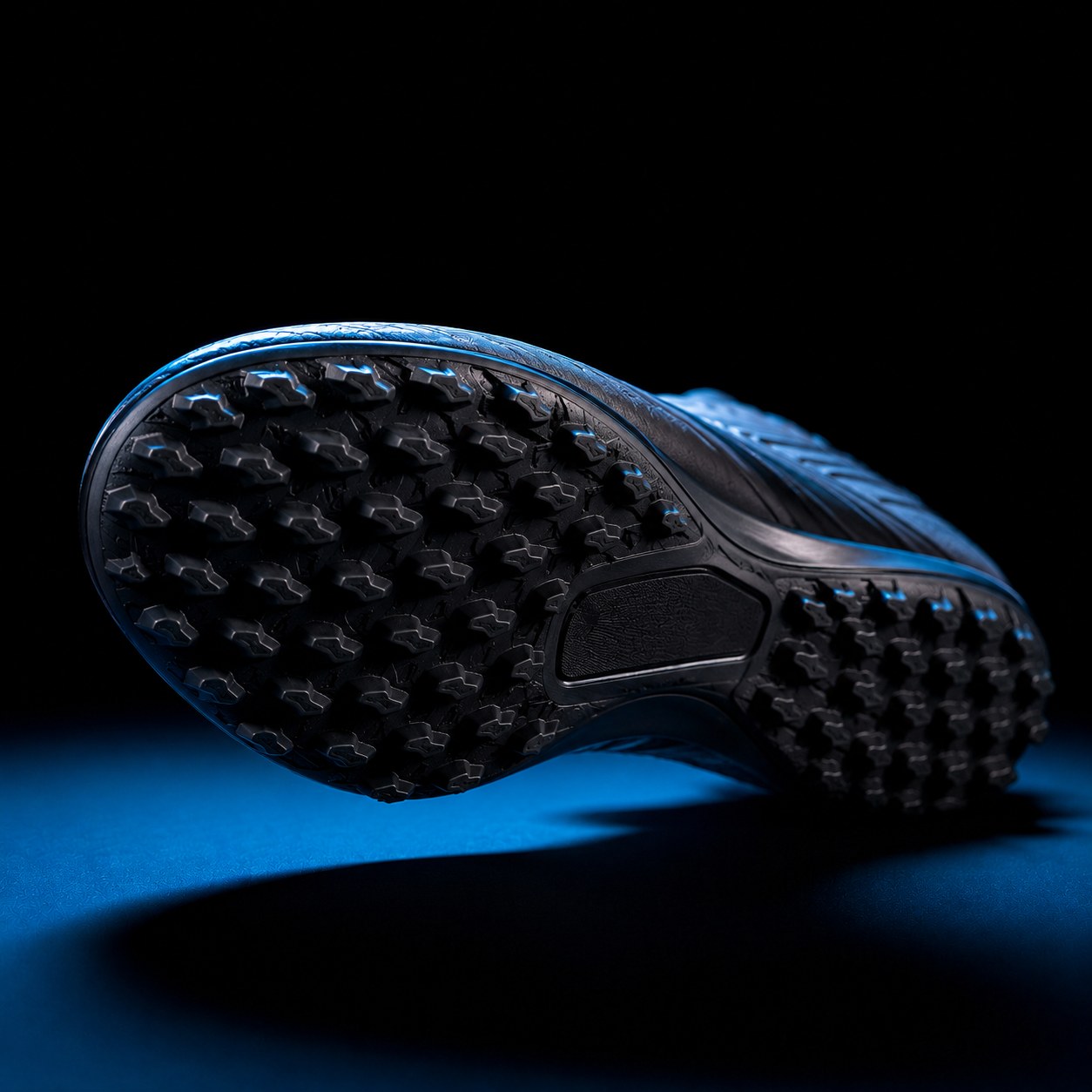
Boots marked TF are made for turf pitches, often called society fields in Brazil.
TF soles have many small rubber studs spread across the bottom of the shoe. This design improves grip while also helping distribute pressure more evenly, which can make the boots more comfortable over long sessions.
They are ideal for synthetic turf surfaces, especially for players who need speed, quick passing, and precise movement. Another advantage of TF soles is that they can help reduce stress on the joints when compared with more aggressive stud types used on the wrong surface.
For players who spend most of their time on society pitches, TF is usually the go-to option.
- Stud shape
- Small rubber nubs
- Stud count
- Very high density
- Material
- Rubber
- Best surface
- Turf / society pitches
Indoor / Futsal Court
IN / IC Soles
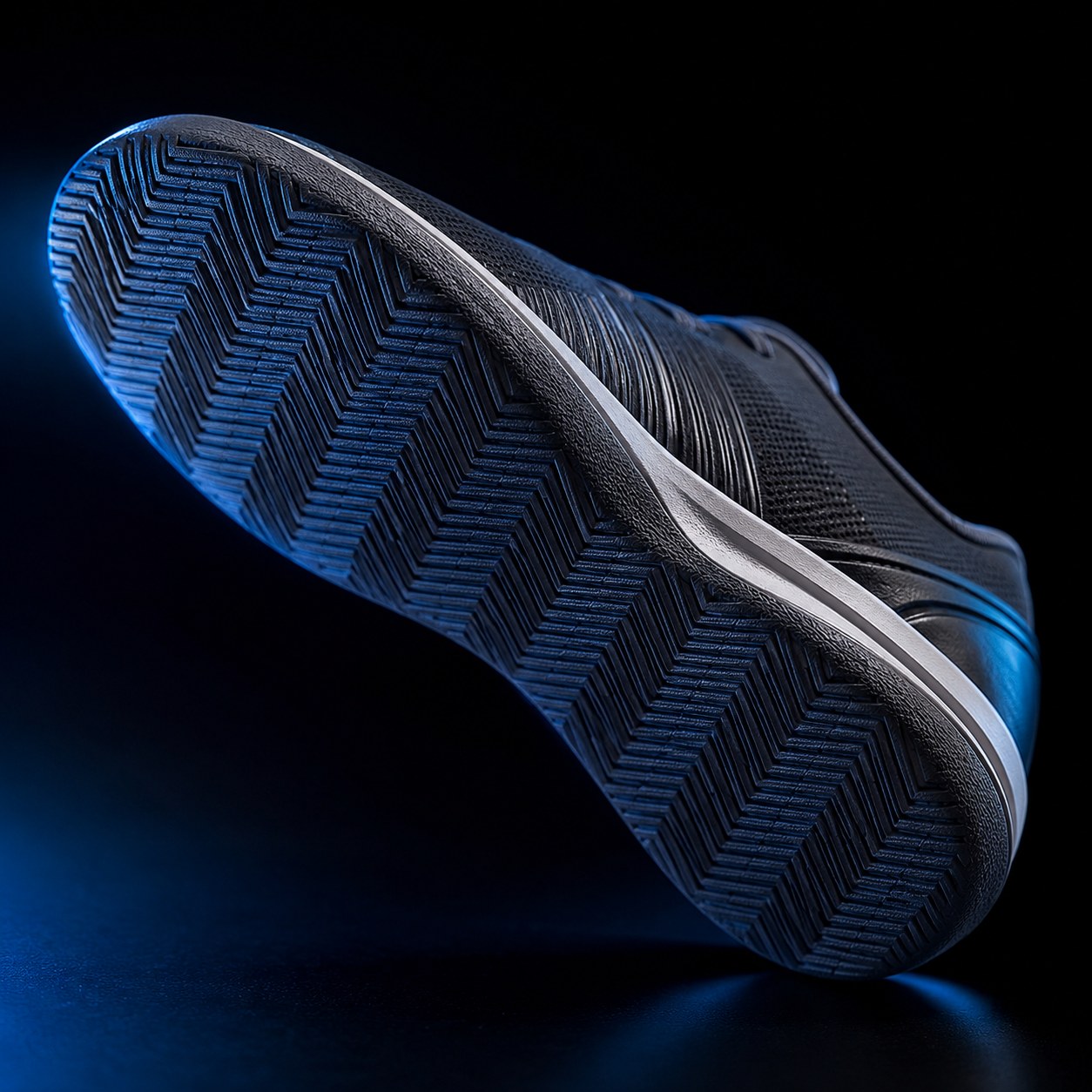
The labels IN or IC refer to Indoor Court footwear, commonly used for futsal.
These boots are made for hard, flat indoor surfaces, such as wood, polished courts, or concrete. Instead of studs, they feature a flat rubber outsole designed to offer grip, flexibility, and close contact with the ground.
Indoor and futsal boots are typically lightweight and responsive, helping players move quickly in tight spaces while maintaining control.
If you play futsal regularly, choosing the right indoor sole is essential for both comfort and confidence, especially during quick changes of direction.
- Stud shape
- Flat, no studs
- Stud count
- None — full tread
- Material
- Non-marking rubber
- Best surface
- Indoor / futsal courts
Why the right sole matters
The sole you choose decides how the game feels
Grip
Traction on the playing surface.
Stability
Control during movement and turns.
Comfort
How the boot feels across a full match.
Durability
How long the boots survive your pitch.
Safety
Overall injury prevention.
“Using the wrong sole on the wrong pitch is a classic own goal.”
It can damage the boots faster, reduce your performance, and make the game less safe. That's why Riva Football always recommends matching your boots to the surface where you play most often.
Quick summary
Five codes, five pitches
FG
Dry, firm natural grass
Many short studs
Agility and acceleration
SG
Wet, soft, muddy grass
Fewer, longer studs
Traction and duels
AG / MG
Artificial grass or firm surfaces
Short, rounded studs
Comfort on firm pitches
TF
Turf / society pitches
Many small rubber studs
Speed and quick passing
IN / IC
Indoor or futsal courts
Flat rubber outsole
Control in tight spaces
Final thoughts
Play smarter, protect your gear
The best football boots are not only about looks — they need to work with the surface beneath you. Whether you play on natural grass, artificial turf, society fields, or futsal courts, understanding the difference between sole types helps you make a better decision and get more out of every match. At Riva Football, we want players to choose smarter, play better, and protect their gear by picking the right sole for the right game.